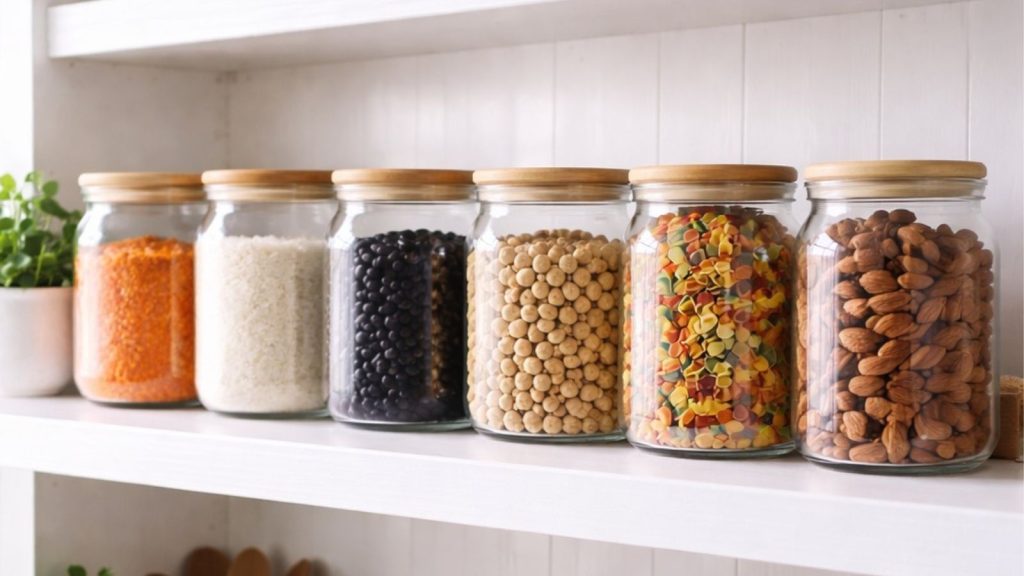
If you want to improve your food security, reduce waste, or prepare for emergencies, learning how to store food long-term without a fridge is a valuable skill. People have relied on simple, effective ways to preserve food for centuries, and many of these methods still work well today.
This guide will show you the best ways to preserve food, walk you through each method step by step, explain which foods last the longest, and help you set up a dependable food storage system without needing electricity.
Why Store Food Without Refrigeration?
Here are some good reasons to learn how to store food without refrigeration:
- Protection during power outages or emergencies.
- Lower electricity bills.
- Greater self-sufficiency and off-grid living.
- Reduced food waste.
- Better long-term preparedness.
By using the right methods, you can safely store food for months or even years.
Best Methods for Long-Term Food Storage Without Refrigeration
1. Drying (Dehydration)
Drying removes moisture, preventing bacteria, yeast, and mould from growing.
How to dehydrate food step by step:
- Slice food into thin, even pieces.
- Use a dehydrator, oven on low heat, or air-drying method.
- Dry the food until it feels brittle or leathery, and no moisture remains.
- Let it cool completely.
- Store in airtight containers
Best foods for drying:
- Fruits (apples, bananas, berries).
- Vegetables (carrots, peppers, onions).
- Herbs.
- Meat (jerky).
Shelf life:
- 6 months to 5 plus years (depending on storage conditions).
2. Canning (Water Bath & Pressure Canning)
Canning keeps food safe by sealing it in sterilized jars after heating.
Here’s a step-by-step overview:
- Prepare and cook your food.
- Fill sterilised jars, leaving proper headspace.
- Seal with lids.
- Process the jars in boiling water for acidic foods or use a pressure canner for low-acid foods.
- Allow jars to cool and seal.
What to use each method for:
- Water bath canning: fruits, jams, and tomatoes.
- Pressure canning: meat, vegetables, soups.
Shelf life:
- Typically, canned foods last 1 to 5 years, and sometimes even longer if stored properly.
3. Fermentation
Fermentation relies on helpful bacteria to naturally preserve food.
How it works:
Salt and time help good bacteria turn sugars into acids, which keeps food from spoiling.
Simple fermentation process:
- Chop vegetables.
- Add salt.
- Pack tightly into a jar.
- Submerge under liquid (brine).
- Leave at room temperature for several days to weeks.
Popular fermented foods:
- Sauerkraut
- Kimchi
- Pickles
Benefits:
- Enhances flavor
- Adds probiotics
- Requires minimal equipment
4.Salting
Salt draws moisture out of food, making it hard for bacteria to survive. It is unsuitable for bacteria.
Common uses:
- Meat curing (ham, bacon).
- Fish preservation.
- Salt-packed vegetables.
Basic curing steps:
- Coat food heavily in salt or brine.
- Store in a cool environment.
- Allow time for preservation (days to weeks).
Shelf life:
- Foods preserved this way can last from weeks to months, and even longer if you also dry or smoke them.
5. Sugaring (Jams, Jellies, Preserves)
Sugar helps preserve food by holding onto water and slowing down the growth of microbes.
How to make a basic preserve:
- Combine fruit and sugar.
- Heat until thickened.
- Pour into sterilised jars.
- Seal and store.
Best foods:
- Berries
- Citrus fruits
- Stone fruits
Shelf life:
- Unopened, these foods can last up to 1 or 2 years.
6. Root Cellaring
A root cellar keeps food cool by using the earth’s natural insulation underground.
Ideal conditions:
- Temperature: 0–10°C
- High humidity
- Darkness
- Good ventilation
Foods that store well:
- Potatoes
- Carrots
- Onions
- Apples
- Cabbage
Tip:
You can use a basement, garage, or even a buried container as a root cellar.
7. Vacuum Sealing & Airtight Storage
Taking out air helps stop oxidation, keeps pests away, and prevents food from spoiling.
Best for:
- Rice
- Beans
- Pasta
- Flour
- Oats
How to store dry goods for the long-term:
- Place food in Mylar bags or airtight containers.
- Add oxygen absorbers.
- Seal tightly.
- Keep your food in a cool, dark place.
Shelf life:
- Many dry staples can last 10 to 30 years when stored this way.
Comparison of Food Storage Methods
| Method | Best For | Shelf Life | Difficulty |
| Drying | Fruits, veg, meat | Months–years | Easy |
| Canning | Meals, produce | 1–5 years | Medium |
| Fermentation | Vegetables | Weeks–months | Easy |
| Salting | Meat, fish | Months | Medium |
| Sugaring | Fruit preserves | 1–2 years | Easy |
| Root Cellaring | Fresh produce | Months | Easy |
| Vacuum Sealing | Dry goods | 10–30 years | Easy |
Best Foods for Long-Term Storage Without Refrigeration
Choose foods that naturally have a long shelf life:
- White rice (can last 20+ years)
- Dried beans and lentils
- Pasta
- Oats
- Flour (shorter shelf life)
- Honey (virtually never spoils)
- Salt and sugar
- Powdered milk
- Canned foods
Essential Storage Tips for Maximum Shelf Life
To make your food last as long as possible:
- Keep food in a cool, dark, dry location.
- Use airtight containers or sealed bags.
- Label everything with dates.
- Rotate stock (first in, first out).
- Store food off the ground to prevent pests.
- Check supplies regularly for spoilage.
Common Mistakes to Avoid
Watch out for these common mistakes that can ruin your food supply:
- Storing food in warm or humid areas.
- Using poor-quality containers.
- Not sealing food properly.
- Forgetting to rotate stock.
- Skipping proper canning safety steps.
FAQs
How long can food last without refrigeration?
It depends on how you store it. Dry goods can last for decades, while fermented or cured foods usually last from a few weeks to a few months.
What foods never expire?
Honey, salt, and sugar can last indefinitely when stored properly.
Is it safe to store food long-term at home?
Yes, it’s safe if you use the right techniques, such as airtight storage, proper temperatures, and safe canning methods.
What is the easiest method for beginners?
Begin with dry storage, like rice, beans, and pasta, and try simple dehydration.
Build Your Food Storage System
If you’re ready to get started, take a look at our Food Supply & Storage page. It will give you tips on how to create a long-term food storage plan and guide you step by step, so you can build a system that fits your home, lifestyle, and goals.
Final Thoughts
Storing food long-term without a fridge is a practical and reliable way to become more self-sufficient and prepared. By combining different preservation methods, you can create a varied food supply that lasts for years without needing electricity.
Start with small steps, add more over time, and keep at it. You’ll be glad you did.