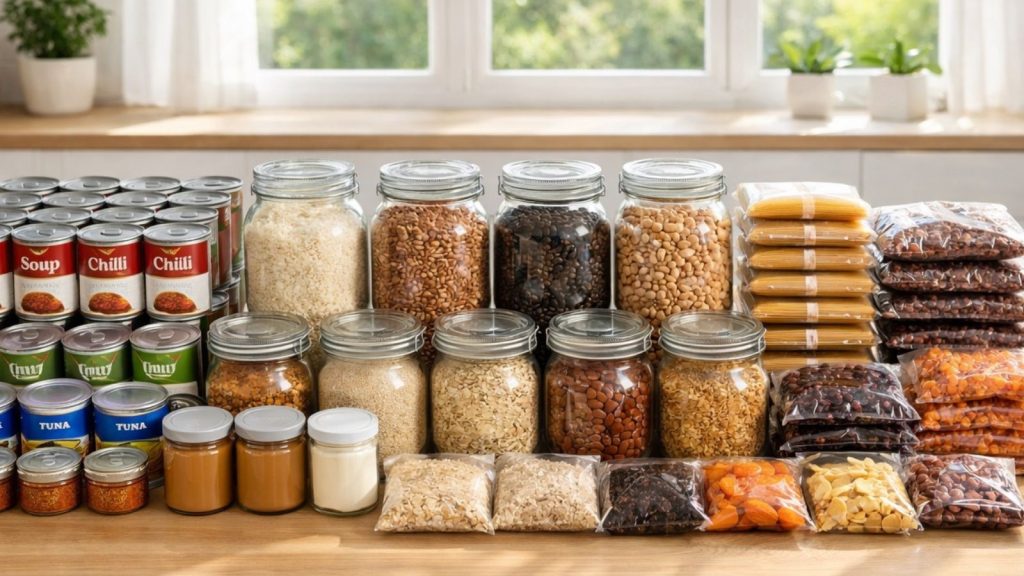
In today’s unpredictable world, having a 30-day emergency food supply gives you peace of mind. Emergencies can occur at any time, and being prepared means you have enough supplies for any scenario. You don’t have to spend a lot to build a dependable supply.
With some planning, smart shopping, and good storage, you can put together a month’s worth of food without overspending. This guide is tailored for households in the UK.
Here’s a simple step-by-step guide to help you build a budget-friendly 30-day emergency food supply.
1. Assess Your Family’s Needs and Preferences
Before buying any food, figure out what your household uses daily. The main things to think about are:
- The Number of people in your family: calorie needs vary depending on how many adults, children, and seniors are in your household.
- If there are any dietary restrictions: Allergies, gluten-free, vegetarian, or low-sodium diets must be considered to ensure you have the correct foods available.
- The amount of calories your family would need to last a month. On average, an adult needs around 2,000 calories per day. Multiply by the number of people and days to estimate your food requirements.
- Comfort foods: Include small treats like chocolate, dried fruit, or instant coffee. Having familiar items can boost morale in stressful times.
Having a clear plan helps you avoid wasting money on things you don’t need and makes sure your food gets used.
2. Prioritise Non-Perishable
Non-perishable foods are the foundation of any emergency supply since they last a long time, are flexible, and usually affordable. Focus on these types:
- Grains: Rice, oats, pasta, quinoa. Buying these items in bulk from UK supermarkets like Tesco, Asda, or Aldi can help keep costs down.
- Legumes: Lentils, beans, chickpeas. High in protein and fibre.
- Canned goods: Vegetables, fruit, and meats. Check around for sales or multi-packs.
- Shelf-stable proteins: Peanut butter, powdered milk, canned tuna or salmon.
- Baking essentials and staples: Salt, sugar, oil, and spices to make meals more palatable.
- Comfort foods: Instant coffee, tea, chocolate, and dried fruit for morale.
Choose foods with a shelf life of at least one year. For longer-term prepping, you can consider freeze-dried or dehydrated options—they last for years if stored correctly.
3. Smart Shopping: Buy in Bulk and Hunt Deals
Buying in bulk saves money, especially for cupboard staples like rice, beans, and canned vegetables. When purchasing these items, make sure to compare prices, consider:
- Warehouse clubs or online retailers like Costco UK or Amazon UK for bulk items.
- Coupons and loyalty schemes: Tesco Clubcard, Sainsbury’s Nectar points, or cashback apps like Quidco.
- Comparing unit prices rather than package sizes to find the best deal.
4. Rotate Your Food and Store It Properly
Foods stored correctly stay fresh and safe to eat:
- Store in a cool, dry, dark place to prevent spoilage.
- Use the FIFO method (First In, First Out) by moving older items to the front so you use them first.
- Label containers with purchase and expiration dates; that way, you will know exactly how long you’ve had them stored for.
- Consider airtight bins or plastic totes to protect from moisture and pests.
Keeping a small notebook or spreadsheet to track what you have is really helpful; that way, you avoid buying too much or letting any food go to waste.
5. Include Essential Non-Food Items
A 30-day emergency supply isn’t solely about calories; other things need to be considered:
- Water: 1 gallon per person per day (for drinking and cooking).
- Multivitamins: To fill nutritional gaps.
- Cooking essentials: Salt, sugar, oil, and spices.
- Utensils and cookware: Manual can opener, pots, pans, and disposable plates/cups if needed.
- First aid supplies and hygiene products: Hand sanitiser, soap, and basic medical supplies.
6. Plan Your Meals Ahead
Planning your meals helps you get the most out of your budget and nutrition. Here are some easy strategies:
Example 7-day plan:
- Batch cooking: Prepare large quantities of rice, beans, or pasta at once.
- Meal rotation: Repeat meals every few days to minimise food waste.
- Mix and match ingredients: Beans and rice, pasta with canned vegetables, and peanut butter sandwiches are versatile and cost-effective.
| Day | Breakfast | Lunch | Dinner | Snack |
| 1 | Oatmeal + dried fruit | PB & J sandwich | Rice + canned beans + veggies | Trail mix |
| 2 | Instant oatmeal | Canned tuna + crackers | Pasta + tomato sauce | Granola bar |
| 3 | Peanut butter toast | Lentil soup | Rice + canned chicken | Dried fruit |
Rotate similar meals over 30 days to make shopping easier and save money.
7. DIY Options and Store-Brand Savings
You don’t need spend lots of money buying everything pre-packaged, you can easily prepare your own:
- Make your own granola or trail mix: Often cheaper and nicer than store-bought versions.
- Dehydrate fruits or vegetables at home: Extend shelf life while saving money.
- Choose store brands: They are usually just as nutritious as name brands but much more affordable.
8. Budget-Friendly Tips for Preppers
- Freeze what you can: Frozen meat and vegetables can supplement canned items.
- Buy seasonal produce and Freeze or dehydrate it for later use.
- Leverage loyalty points or cash-back apps: Extra savings on bulk purchases.
- Avoid “emergency-only” branded kits since they’re often overpriced for what they are. Building your own supply is cheaper, and you can choose what you need.
For a complete guide on long-term storage tips, advanced meal planning, and easy ways to stock up check out our Food Supply & Storage Page. This resource consolidates everything you need to prep effectively without overspending, making it the ultimate guide for preppers at any level.
Final Thoughts
Creating a 30-day emergency food supply on a budget in the UK is very doable with some planning, smart shopping, and good storage. By knowing your family’s needs, focusing on non-perishable foods, rotating your stock, and adding essential non-food items, you can be ready for surprises without spending a lot of money.
Start now, and in a few weeks, you could have a full, budget-friendly 30-day supply ready for anything.